



PEST CONTROL
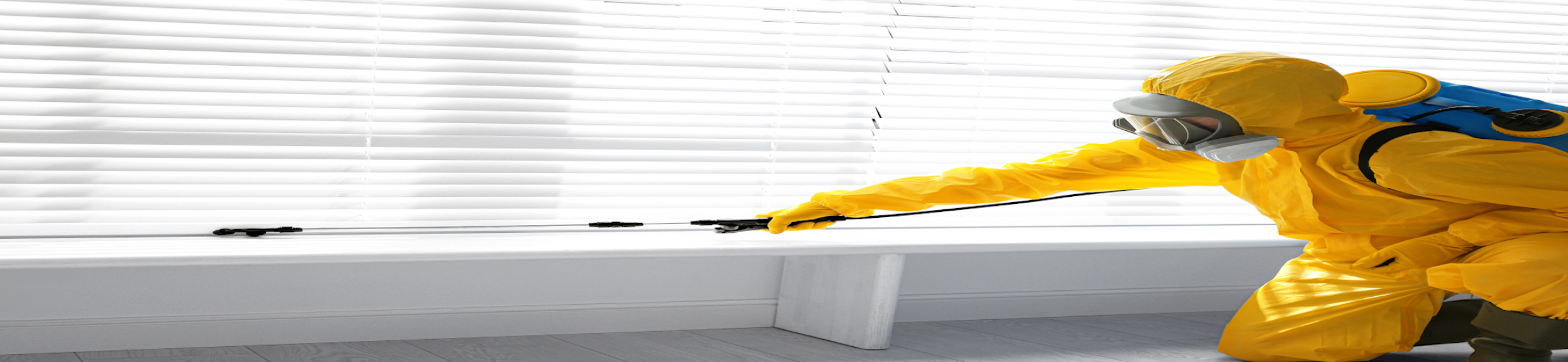
Disinfestation includes processes that are necessary to deal with entomological infestations. Cockroaches, ants, mosquitoes, fleas and bedbugs often invade areas, causing significant nuisance and infecting them with germs and allergens. Areas in the house where insects regularly appear are the kitchen, the bathroom and outdoor areas. Many times, small insects appear in the sleeping mattress and cause stings to their unsuspecting users. The choice of the appropriate method for disinfestation is determined by several factors such as the habits of the treated insects, the characteristics of the operation site, but also the environmental conditions (temperature, humidity). Disinfestation is an integrated pest management process, with an emphasis on human and environmentally friendly methods. The applications are based on the prevention and continuous monitoring of the premises with the aim of timely intervention.
Disinfestation aims to maintain acceptable levels of parasites-insects in their areas of occurrence: The extermination of the entire population is difficult, but also harmful to the environment as it destroys all living organisms. Control through disinfestation aims to maintain populations at acceptable levels to maintain the sustainable chain of life.
Proper prevention helps reduce problems: Maintaining good hygiene conditions, adequate ventilation, proper maintenance of facilities, but also the reduction of openings, which are points of entry of pests, are prevention tactics and help minimize problems.
Frequent monitoring is considered necessary for comprehensive control: Monitoring and detection of pests entering the area are important elements of integrated control and help to identify the appropriate time for timely and effective disinfestation. Pest monitoring is carried out by placing appropriate types of traps and is applied in both domestic and corporate areas.
Biological treatment is carried out by natural methods: Natural methods and products of natural origin (eg plant extracts, natural materials, etc.) are used for disinfestation. These include heat treatment (use of high temperatures), use of a modified atmosphere (use of carbon dioxide) and use of dry ice (use of low temperatures).
Rational use of insecticides: During the operations, the rules of good practice and the instructions on the label of the preparations are followed. Their reckless use is limited. Applications are implemented in various ways, such as:
Residual sprays with low pressure sprayers or sprayers.
- Sprays with cold or hot spray devices. In these methods, the solutions take the form of a cloud of droplets (nebula) or smoke. In this way the surfaces and inaccessible points (cracks, points in height) are universally covered.
- Use of insecticides in the form of baits with attractive properties for pests. The baits are placed in suitable places, near the hearths or in places where the pests pass.
- Application of insecticides in powder (granules) or granules.
- Smoking. The method involves the use of insecticides in the form of gas. Fumigation is often carried out in grain warehouses (silos), on ships carrying food and in the control of wood-eating insects (swarms).
The preparations used for the disinfestation are approved by the Ministry of Rural Development. Their implementation follows Regulations EC 852/2004 and EC 178/2002 on Food Hygiene. Disinfection operations comply with the principles of the HACCP system for food safety.
RODENTICIDE
Rodenticide is the process we follow to treat rodent infestations such as mice and rats. Many species of rodents live in urban areas and often cause problems in the home and industrial environments. Known diseases such as salmonella, leptospirosis, dysentery and plague are regularly associated with their occurrence. Rodenticide is a comprehensive pest management process, with an emphasis on human and environmentally friendly methods. It includes three important phases: prevention, site monitoring and final control.
TROUBLESHOOTING
To deal with problems related to the presence of mice and rats, control methods are applied, which help to reduce the attractiveness of the premises. Adequate mechanical blockage of buildings (lack of openings), waste and wastewater management and the reduction of vegetation and humidity in the surrounding area contribute significantly to the integrated treatment and reduction of problems.
In addition, where necessary, rodenticidal preparations approved by the Ministry of Rural Development are used. Often their application requires the installation of rodent control stations. These are plastic or metal boxes with openings for the entry of rodents, inside of which the rodenticides are placed. The stations provide security from unwanted openings (access by children, non-target animals) and are installed in critical areas of the premises.
Traps of various types (mechanical capture, cages, etc.) are often used to control mice and rats, which are placed in critical areas of the premises after inspection. The operation of these traps does not require the use of preparations and is therefore a natural method of controlling mice and rats.
Problems with mice and rats often require disinfection of the premises in order to treat germs that appear.
The methods used in rodenticides are compatible with the safety standards followed by modern corporate and industrial sites (HACCP, ISO 22000, ISO 14000, BRC, IFS).